Exporting coconut briquettes to international markets requires strict attention to product quality. In today’s competitive market, buyers are not only looking for affordable products but also consistent performance and reliability. Therefore, understanding coconut briquette export quality requirements is essential for gaining buyer trust and maintaining long-term business relationships. Without meeting these standards, exporters risk losing opportunities in global markets. For a broader understanding, you can explore this ultimate guide to coconut briquette export requirements before entering international trade.
1. Importance of Quality in Export Products
Quality is one of the most important factors in determining export success. In general, international buyers expect products that meet consistent specifications and deliver reliable performance. Moreover, high-quality products reduce complaints, returns, and potential disputes. As a result, maintaining strict quality control is essential for building a strong reputation in the export industry.
2. Moisture Content and Its Impact
One of the key quality indicators for coconut briquettes is moisture content. Ideally, briquettes should have low moisture levels to ensure efficient burning and long-lasting performance. If the moisture content is too high, the briquettes may produce smoke, burn unevenly, or lose efficiency. Therefore, proper drying processes and storage conditions are necessary to maintain optimal moisture levels.
3. Ash Content and Burning Efficiency
Ash content is another critical factor in determining product quality. In most cases, buyers prefer briquettes with low ash content because they burn cleaner and leave less residue. Additionally, low ash levels improve user experience, especially for applications such as shisha and barbecue. Thus, controlling the production process is important to ensure that ash content remains within acceptable limits.
4. Calorific Value and Energy Output
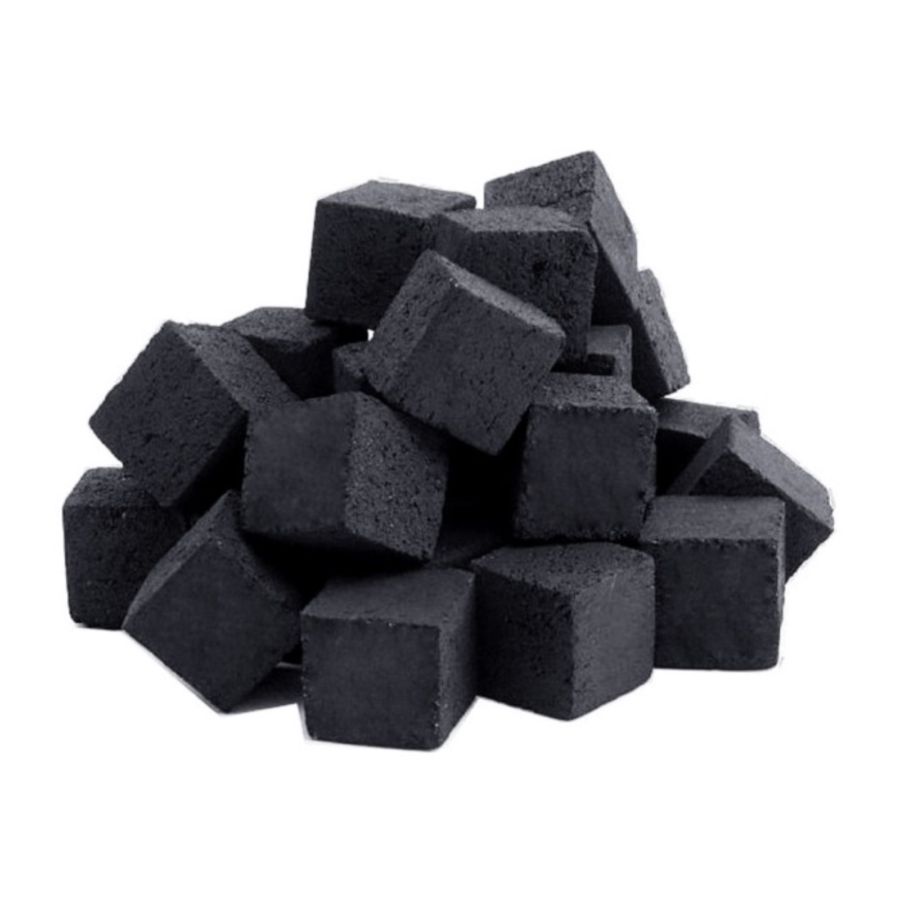
The calorific value measures the energy produced when briquettes are burned. Generally, higher calorific value indicates better performance and longer burning time. For this reason, exporters must ensure that their products meet international energy standards. Using premium coconut shell charcoal briquette materials can significantly improve calorific value and overall product quality.
5. Shape, Size, and Durability
Consistency in shape and size is also an important quality requirement. For example, uniform briquettes ensure even burning and easier handling. Furthermore, strong and durable briquettes are less likely to break during transportation. As a result, maintaining consistency in production helps improve both product performance and customer satisfaction.
6. Odor and Smoke Level Standards
Another important factor is the level of odor and smoke produced during burning. Ideally, coconut briquettes should produce minimal smoke and no unpleasant odor. This is especially important for shisha users, who require clean and neutral-burning fuel. Therefore, proper carbonization and processing techniques must be applied to achieve these standards.
7. Quality Control and Testing Procedures
To ensure all quality requirements are met, exporters must implement strict quality control systems. In addition, regular laboratory testing is necessary to verify moisture content, ash levels, and calorific value. By doing so, exporters can maintain consistent product quality and meet international standards. This also helps build trust with buyers and increases the chances of repeat orders.
Conclusion
In conclusion, coconut briquette export quality requirements play a crucial role in determining success in international markets. From moisture and ash content to calorific value and durability, each factor contributes to overall product performance. Ultimately, by maintaining high-quality standards, exporters can improve competitiveness, satisfy buyers, and grow their business globally.