Charcoal Premium in Indonesia is one of the leading producers of high-quality charcoal, offering products that cater to both domestic use and international demand. With abundant natural resources, including vast coconut plantations and tropical forests, the country has established a robust charcoal production Indonesia industry that supplies households, restaurants, and industrial users worldwide. Understanding the production methods and advantages of Indonesian charcoal is essential for businesses and distributors seeking reliable and sustainable fuel solutions.
Why Charcoal in Indonesia Is Highly Valued
Charcoal from Indonesia is renowned for its quality, efficiency, and environmental sustainability. The country produces both wood-based and coconut shell charcoal, with the latter gaining significant attention in global markets.
Key Advantages
- High Calorific Value : Indonesian charcoal burns hotter and longer, providing efficient energy for cooking and industrial processes.
- Low Ash Content : Premium charcoal leaves minimal residue, reducing maintenance and cleanup efforts.
- Sustainable Production : Many producers utilize renewable raw materials, converting coconut shells and agricultural waste into fuel.
- Consistent Quality : Strict quality control ensures uniform density, size, and burning characteristics for every batch.
These qualities make Indonesian charcoal suitable for a variety of applications, including household cooking, commercial grilling, and industrial fuel use.
Coconut Shell Charcoal in Indonesia
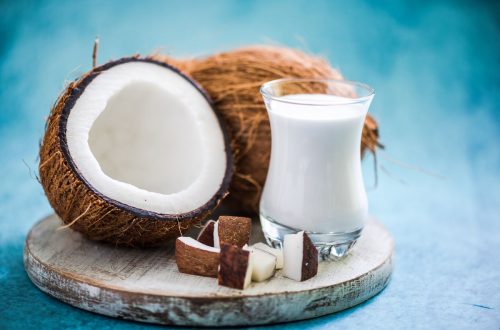
Coconut shell charcoal is one of the most sought-after products in Indonesia’s charcoal industry. It is dense, durable, and highly efficient, making it a preferred choice for shisha, BBQ, and other specialty applications.
Production Process
Producing high-quality coconut shell charcoal involves several key steps, each crucial to ensuring a superior final product:
1. Selection and Cleaning
Mature coconut shells are carefully selected, cleaned, and dried. Proper selection ensures high fixed carbon content and low moisture, which are essential for long-burning, efficient charcoal.
2. Carbonization
The shells are carbonized in controlled kilns or furnaces at temperatures between 400°C and 600°C. This process removes volatile substances while increasing the fixed carbon content, producing durable and high-energy charcoal.
3. Crushing and Sieving
After cooling, the carbonized shells are crushed into uniform sizes. Sieving ensures consistent granularity, which is critical for making high-quality briquettes.
4. Briquette Formation
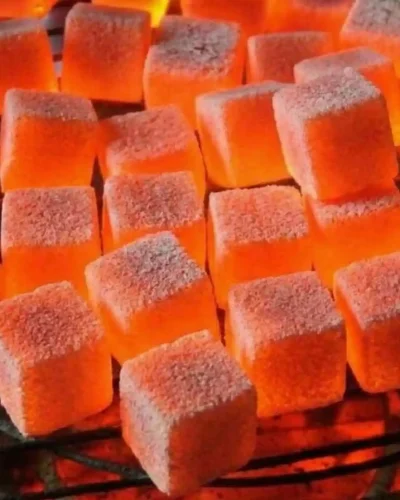
The crushed charcoal is mixed with natural binders and pressed into uniform shapes. For professional guidance on this step, see the coconut shell charcoal briquettes making process, which outlines the techniques used to achieve dense, long-burning briquettes.
5. Drying and Quality Control
Briquettes or loose charcoal are dried to reduce moisture content below 8%. Quality tests include checking fixed carbon levels, ash content, and mechanical strength to ensure premium-grade products suitable for export and domestic use.
Export and Market Demand
Indonesian charcoal, especially coconut shell briquettes, has strong demand in global markets such as the Middle East, Europe, and Asia. Buyers prefer Indonesian products for their consistent quality, low smoke emission, and long burn time.
Benefits of Choosing Indonesian Charcoal
- Reliable Supply : Abundant raw materials ensure consistent production capacity.
- Sustainable Practices : Eco-friendly methods reduce environmental impact.
- Professional Export Standards : Experienced exporters manage shipping, documentation, and international certifications.
- High Market Competitiveness : Premium quality charcoal meets the demands of discerning customers worldwide.
Conclusion
Charcoal in Indonesia combines sustainability, quality, and efficiency, making it an ideal fuel for a wide range of applications. Coconut shell charcoal, in particular, offers superior performance for both domestic and international markets. By understanding the coconut shell charcoal briquettes making process, manufacturers and exporters can produce premium products that meet global standards, ensuring long-term success in the competitive charcoal industry.
Click roldirect.com to explore the complete guide and discover the professional methods to produce high-quality coconut shell briquettes for commercial success.