As a charcoal seller, I often receive questions from buyers who ask, Which Is Better, Bamboo or Coconut Charcoal?, because they want to choose the best charcoal for their market. Restaurant owners, shisha lounge suppliers, and distributors frequently compare whether bamboo charcoal or coconut charcoal performs better.. To help them decide, I usually explain the key differences in raw materials, burn performance, and ideal applications. Many buyers also search comparisons like bamboo charcoal vs coconut charcoal to understand which option offers better long-term value. From my experience, the answer depends on the intended use.
Understanding Bamboo Charcoal
Bamboo charcoal is produced by carbonizing bamboo at high temperatures. It is lightweight, porous, and widely available in many Asian countries. Because bamboo grows quickly, it is often considered an eco-friendly raw material.
Advantages of Bamboo Charcoal
Bamboo charcoal lights faster than coconut charcoal and produces moderate heat. It is suitable for quick cooking, casual grilling, and air purification products. Bamboo charcoal is also commonly used in household deodorizing items and water filtration because of its porous structure.
Limitations of Bamboo Charcoal
However, bamboo charcoal usually burns faster and produces more ash compared to coconut charcoal. For businesses that need long cooking sessions or stable heat, bamboo charcoal may not be ideal.
Understanding Coconut Charcoal
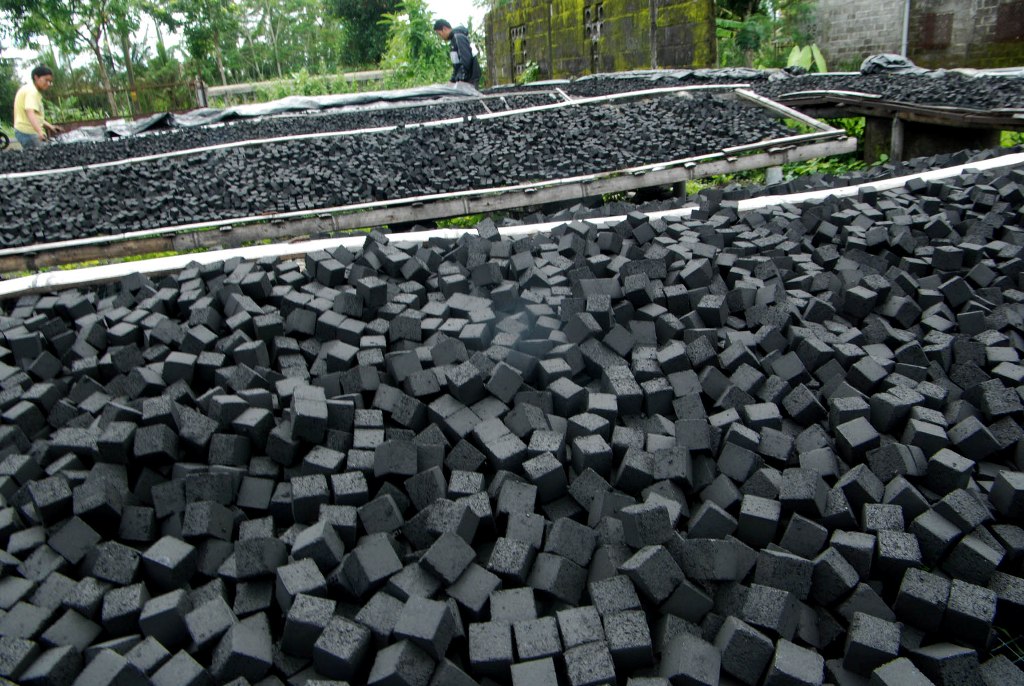
Coconut charcoal is made from coconut shells that are carbonized and processed into briquettes. This type of charcoal is especially popular in international markets.
Advantages of Coconut Charcoal
Coconut charcoal burns longer, produces very low ash, and maintains stable heat. This makes it perfect for barbecue restaurants and shisha lounges. It also burns with minimal odor, which improves customer comfort.
From my experience working with buyers in export markets, coconut shell charcoal briquettes are preferred for professional use because they provide consistent performance.
Limitations of Coconut Charcoal
Coconut charcoal may take slightly longer to light compared to bamboo charcoal. It can also be more expensive due to higher demand and stricter quality control.
Which Is Better for Different Uses?
The answer depends on how the charcoal will be used.
- For shisha or hookah: Coconut charcoal is usually better because of long burn time and low ash.
- For professional BBQ restaurants: Coconut charcoal provides stable heat and cleaner cooking.
- For quick home grilling: Bamboo charcoal may be convenient because it lights faster.
- For deodorizing or filtration: Bamboo charcoal works well due to its porous structure.
Choosing the right charcoal means matching the fuel to the application.
Factors Buyers Should Consider
When deciding between bamboo and coconut charcoal, buyers should evaluate:
- Burn duration
- Ash content
- Smoke level
- Raw material origin
- Price stability
- Customer expectations
Testing samples before large orders helps ensure consistent quality and performance.
My Advice as a Seller
From my experience, coconut charcoal is usually the better choice for businesses that need long burn time, stable heat, and professional results. Bamboo charcoal still has value for specific applications, especially when fast ignition or household use is the priority.
Understanding the differences between bamboo and coconut charcoal helps buyers choose products that match their needs, protect their reputation, and deliver better results to customers. With careful sourcing and proper quality control, both charcoal types can be valuable but choosing the right one makes all the difference for long-term business success. To get a deeper comparison and practical buying tips, chillinks.com click the link to read the full guide.