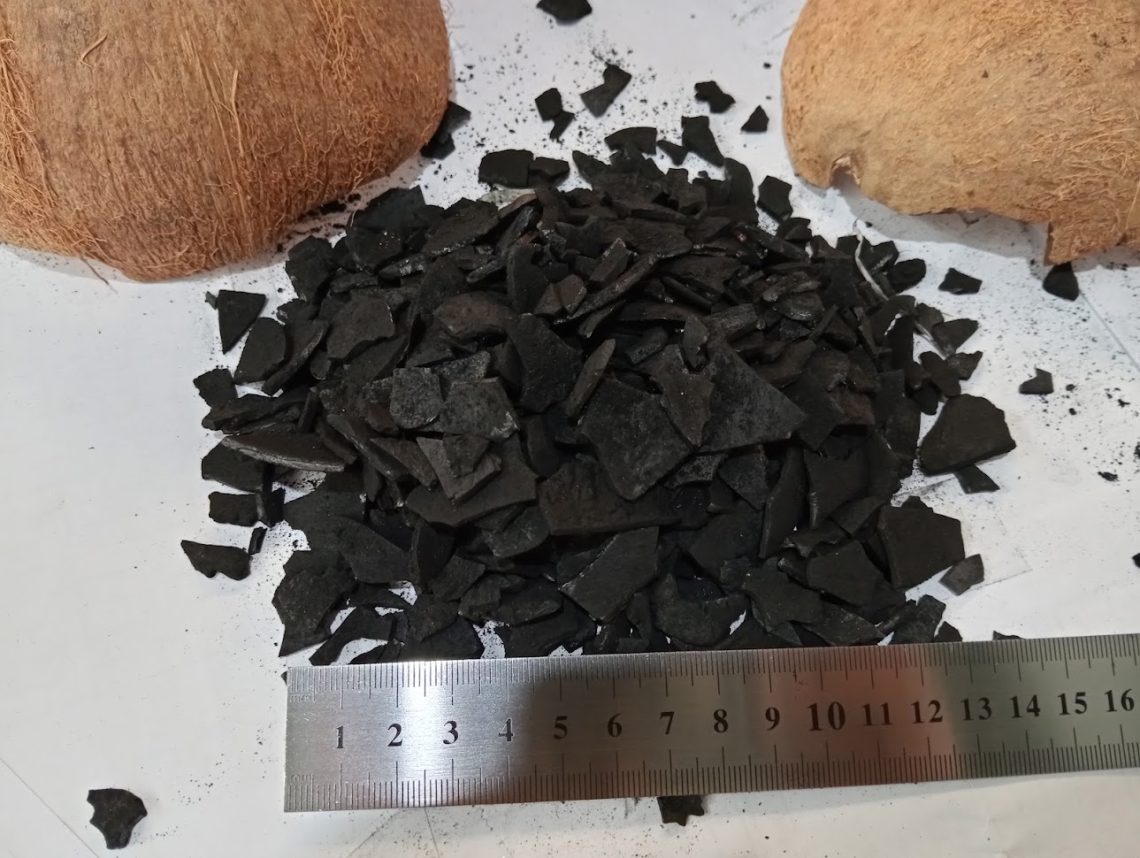
Extensive coconut shell briquettes research continues to drive the global shift toward renewable biomass. Scientists and industrial experts investigate how these compressed units perform compared to traditional coal. This scientific focus aims to validate the high calorific value and low emission profile of coconut charcoal. Today, data from these studies help global industries adopt more responsible energy practices.
Key Performance Metrics in Coconut Shell Briquettes Research
identifying several important factors that determine fuel quality. In particular, the researchers measured its chemical composition to ensure the product meets international export standards.
The following metrics highlight the superior nature of this biomass:
-
Fixed Carbon Levels: Most studies show carbon content exceeding 80 percent.
-
Volatile Matter: Quality samples maintain volatile levels below 15 percent.
-
Moisture Content: Researchers aim for a stable moisture range between 6 and 10 percent.
-
Calorific Value: Average results yield approximately 7000 to 7500 kilocalories per kilogram.
Analyzing Carbonization and Fixed Carbon Purity
A significant portion of studies focuses on the carbonization stage. Specifically, manufacturers use retort kilns to control oxygen levels during the burning process. This method ensures that the raw shell transforms into pure carbon without burning into ash. Consequently, the resulting charcoal possesses the thermal stability required for long cooking sessions.
Methodological Steps within Coconut Shell Briquettes Research
The standard methodology used in coconut shell briquettes research follows a precise sequence to ensure data accuracy. Analysts evaluate each phase of production to identify areas for efficiency improvements:
-
Selection of Raw Materials: Using mature shells to ensure high density.
-
Pyrolysis Execution: Burning shells at temperatures between 400 and 600 degrees Celsius.
-
Binder Concentration Tests: Determining the optimal ratio of starch to charcoal powder.
-
Compression Force Analysis: Measuring the impact of hydraulic pressure on burn duration.
Investigating Natural Binder Performance
Scientists often test different organic binders to hold the charcoal particles together. Specifically, they find that food grade tapioca starch provides the best adhesion without adding toxic chemicals. Furthermore, this natural binder ensures that the briquette remains odorless. This characteristic is vital for culinary applications where any chemical scent could ruin the food. Therefore, using organic binders remains the gold standard in the industry effectively.
Environmental Benefits Found in Coconut Shell Briquettes Research
The environmental impact remains a top priority in every coconut shell briquettes research project. Data consistently proves that these products offer a sustainable alternative to wood charcoal. Specifically, the production process does not contribute to deforestation since it uses agricultural byproducts. Additionally, the low sulfur content reduces air pollution during combustion. This evidence strongly supports the growing global demand for coconut briquettes clean energy solutions consistently.
Commercial Applications Informed by Coconut Shell Briquettes Research
The insights gained from coconut shell briquettes research allow manufacturers to target specific high end markets. Specifically, shisha lounges and gourmet BBQ restaurants require exact heat profiles that only scientific production can provide. This data driven approach ensures that buyers receive a consistent product every time they order.
Importers should prioritize suppliers who can provide lab reports based on current studies. Thus, finding a partner with transparent quality control is essential for long term success. For those interested in premium sourcing, working with an established provider ensures reliability. For more technical details and product standards, visit the Jacoid website.
Conclusion
Modern studies confirm that this fuel source is both efficient and ecologically responsible. By focusing on carbon purity and natural binders, the industry provides a superior alternative to fossil fuels. The evidence for coconut briquettes clean energy continues to grow as more data becomes available. Whether for industrial use or home grilling, these compressed shells represent the future of sustainable energy.